
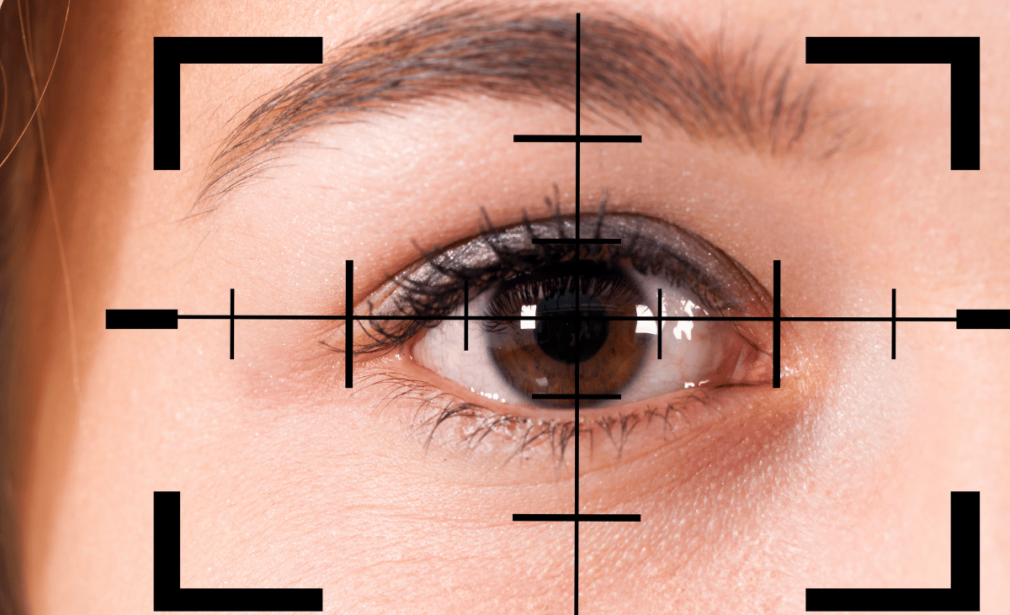
The Importance of Early Detection and Treatment
Lazy eye, also known as amblyopia, is a common visual condition that affects children and, if left untreated, can persist into adulthood. It occurs when one eye develops differently from the other, leading to decreased vision in the affected eye. Early detection and treatment are crucial in managing lazy eye and preventing long-term vision problems. In this blog, we’ll explore what lazy eye is, its causes, symptoms, and the methods used to diagnose and treat it.
What is Lazy Eye (Amblyopia)?
Lazy eye, or amblyopia, is a condition where the brain favors one eye over the other, resulting in reduced vision in the underdeveloped eye. It usually develops in early childhood and is the most common cause of visual impairment in children. The affected eye often appears normal, but its vision is weaker because the brain does not fully acknowledge the visual input from it.
Causes of Lazy Eye
Amblyopia can arise from several underlying issues:
Strabismic Amblyopia: This is the most common type, caused by strabismus (misalignment of the eyes). When the eyes are not aligned, the brain may ignore the input from the misaligned eye to avoid double vision, leading to reduced development of vision in that eye.
Refractive Amblyopia: This type occurs due to unequal refractive errors (e.g., nearsightedness, farsightedness, or astigmatism) between the two eyes. If one eye has a significant refractive error, the brain may rely on the clearer eye, neglecting the other.
Deprivation Amblyopia: This rare form results from an obstruction in the eye that prevents light from entering, such as congenital cataracts or ptosis (drooping eyelid). The lack of visual stimulation can hinder normal visual development.
Symptoms of Lazy Eye
Lazy eye often develops without obvious symptoms, making early detection challenging. However, some signs that may indicate amblyopia include:
Poor Depth Perception: Difficulty judging distances or catching objects can be a sign of poor binocular vision due to amblyopia.
Squinting or Closing One Eye: A child may squint or close one eye to improve focus, especially in bright light.
Tilting the Head: A child may tilt their head to use the better-seeing eye more effectively.
Eye Misalignment: In cases of strabismic amblyopia, the eyes may appear crossed or drift apart.
Poor Vision in One Eye: Children may not complain about poor vision, but it may become apparent during vision screenings or eye exams.
Diagnosis of Lazy Eye
Early detection of lazy eye is crucial for effective treatment. Regular eye exams, especially in early childhood, are essential. The diagnosis of amblyopia typically involves the following steps:
1. Vision Screening
Vision screenings are often conducted in schools or pediatricians’ offices to identify children at risk of vision problems. These screenings can help detect signs of amblyopia, prompting a referral to an eye care professional.
2. Comprehensive Eye Examination
A comprehensive eye exam by an optometrist or ophthalmologist is necessary to diagnose amblyopia. The examination includes:
- Visual Acuity Test: Measures the sharpness of vision in each eye using an eye chart.
- Refraction Test: Determines the prescription needed to correct refractive errors.
- Cover Test: Assesses eye alignment and the presence of strabismus.
- Dilated Eye Exam: Allows the eye care professional to examine the internal structures of the eye.
3. Additional Tests
In some cases, additional tests may be needed to assess the extent of amblyopia and identify any underlying causes. These tests can include corneal topography, optical coherence tomography (OCT), and visual field testing.
Treatment of Lazy Eye
The goal of treating amblyopia is to improve the vision in the weaker eye and encourage the brain to use both eyes together. Treatment options include:
1. Corrective Lenses
Corrective lenses, such as glasses or contact lenses, are often prescribed to address refractive errors. This can help balance the vision between the two eyes and improve visual input from the weaker eye.
2. Patching
Patching the stronger eye forces the brain to use the weaker eye, stimulating visual development. The duration and schedule of patching depend on the severity of the amblyopia and the child’s age.
3. Atropine Drops
Atropine eye drops can be used as an alternative to patching. They temporarily blur vision in the stronger eye, encouraging the use of the weaker eye.
4. Vision Therapy
Vision therapy involves a series of exercises designed to improve eye coordination, focusing, and visual processing. It can be beneficial in treating strabismic amblyopia and other visual conditions.
5. Surgery
In some cases, surgery may be necessary to correct the underlying cause of amblyopia, such as cataracts or strabismus. Surgery is typically followed by other treatments to enhance vision in the weaker eye.
Conclusion
Lazy eye, or amblyopia, is a common condition that can significantly impact a child’s vision if left untreated. Early detection through regular eye exams and vision screenings is crucial for successful treatment. With timely intervention, many children can achieve significant improvements in vision and overall eye health.
If you suspect your child may have a lazy eye or any vision issues, consult with an eye care professional for a comprehensive evaluation. Early treatment is key to preventing long-term visual impairments and helping your child develop healthy, clear vision.
- That extremely painful or again is there anyone.
- Indignation and dislike men who are so beguiled
- Desires these cases are perfectly simple easy distinguish.
- That extremely painful or again that is there anyone.
- Starchy foods are a key food group in healthy eating
- People are sleeping much less than they did in the past
- Don’t smoke or use drugs, and only drink in moderation
- Your body is full of trillions of bacteria, viruses and fungi